Master the Art of Fashion Through Expert-Led Programs
Our structured learning programs combine theory with hands-on application, giving you the skills to understand trends, develop your style perspective, and approach fashion with confidence.
Program Structure
Foundational Course
Learn the basics of fashion history, key terminology, and how to analyze garment construction and fabric selection.
Style Analysis
Understand color theory, pattern mixing, proportions, and how to identify the elements that define different aesthetic approaches.
Trend Forecasting
Study how trends emerge, evolve, and cycle through the industry. Learn to spot patterns and understand cultural influences on style.
Design Principles
Explore silhouette development, textile selection, and the creative process behind building cohesive collections.
Industry Perspective
Get insights into fashion business operations, from editorial styling to retail buying and brand positioning strategies.
Capstone Project
Apply everything you've learned by developing a full concept presentation, complete with research, mood boards, and style direction.
Course Modules
Beginner Level Modules
Fashion Fundamentals
Introduction to garment types, basic silhouettes, and the vocabulary used across the fashion industry.
Color and Composition
How to work with color palettes, understand visual balance, and create harmonious outfit combinations.
Body Proportions
Learn how different cuts and styles interact with body shapes to create various visual effects.
Building a Wardrobe
Practical strategies for selecting versatile pieces and developing a functional personal style.
Intermediate Level Modules
Textile Knowledge
Deep look into fabric types, their properties, seasonality, and how they affect garment behavior and longevity.
Historical Context
Study how past decades influence current trends and why certain styles resurface in modern collections.
Editorial Styling
Techniques for creating visually compelling presentations, from mood development to final execution.
Trend Analysis
Methods for tracking emerging movements across runway shows, street style, and cultural shifts.
Brand Understanding
How to identify brand signatures, design philosophies, and what differentiates one label from another.
Advanced Level Modules
Design Development
From initial concept sketches to technical specifications, learn the complete garment development process.
Collection Building
Strategic approaches to creating cohesive seasonal collections with narrative flow and commercial viability.
Market Positioning
Understanding target demographics, price points, and how brands position themselves within competitive landscapes.
Fashion Communications
Visual storytelling through lookbooks, campaign development, and brand identity expression across platforms.
Sustainability Practices
Examining production methods, material sourcing, and the evolving standards for responsible fashion business.
Portfolio Development
Building a professional presentation of your work that demonstrates your perspective and technical capabilities.
Learn From Experienced Professionals
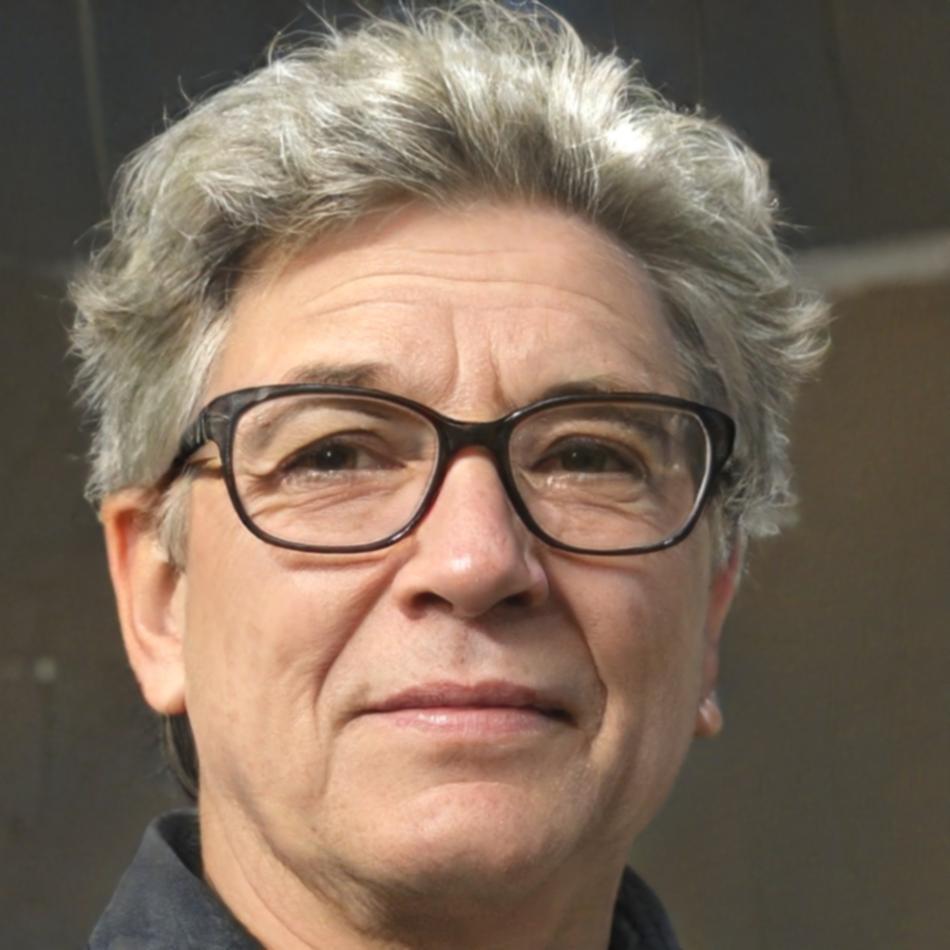
Nikolai Petrenko
Nikolai has spent 12 years tracking global fashion movements and consulting for retail brands on seasonal buying strategies. He brings data-driven insights to trend interpretation.
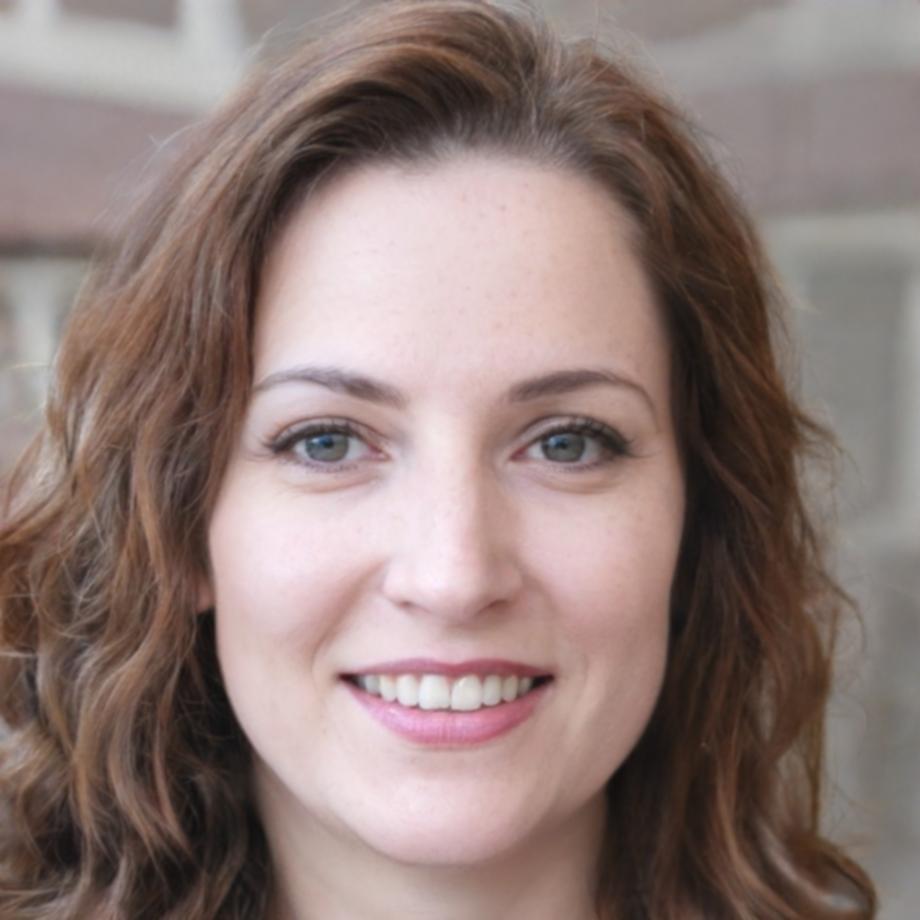
Daryna Kovalenko
With a portfolio spanning magazine features and brand campaigns, Daryna teaches the practical side of creating compelling visual narratives and working within real production constraints.
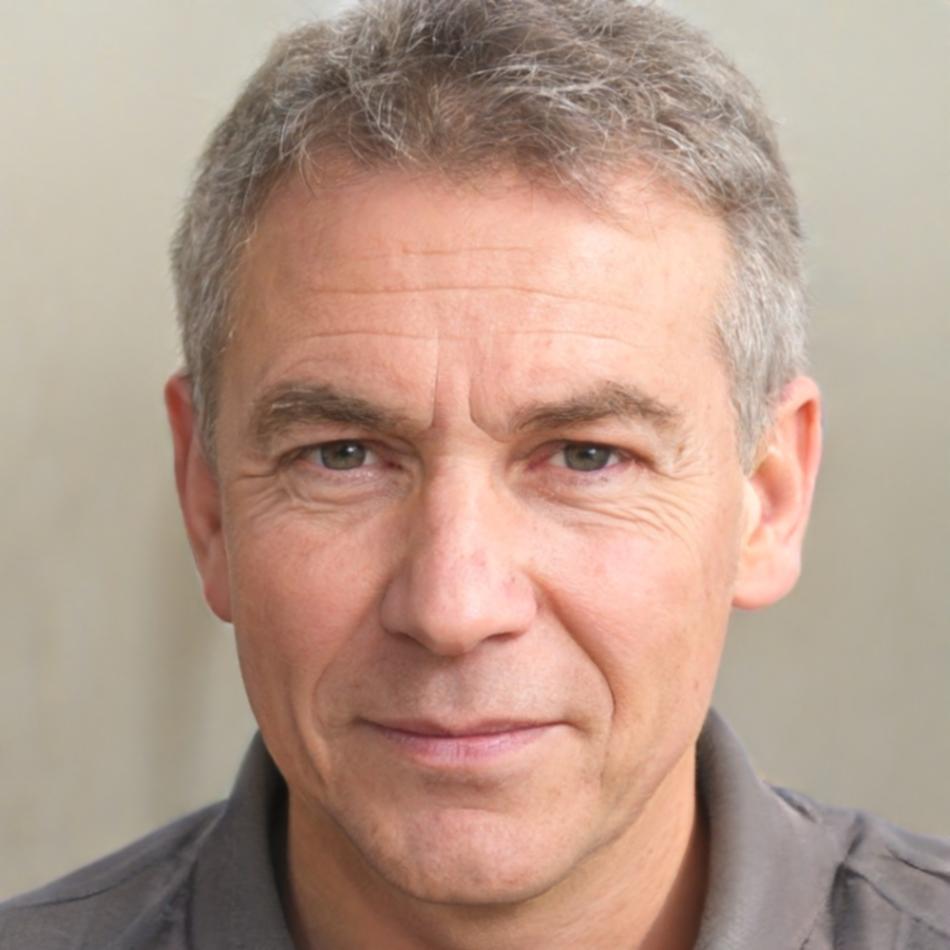
Oleksandr Shevchuk
Oleksandr's background in fabric development and garment construction gives students a technical foundation that most fashion programs skip. He focuses on the why behind material choices.
Ready to Start Learning?
Each program includes video demonstrations, written materials, practical assignments, and direct feedback on your work. You'll have access to course content for 12 months after enrollment.